Cardiology Procedures

Cardiac Catheterization and Stent Placement

  • Cardiac catheterization is a medical procedure used to diagnose and treat certain cardiovascular conditions. It involves the insertion of a long, thin tube called a catheter into a blood vessel that leads to the heart. This procedure helps doctors to view the inside of the heart’s chambers and coronary arteries and measure the pressure and flow of blood within the heart.
  • Stent placement is often performed during cardiac catheterization to treat narrowed or blocked coronary arteries. A stent is a small, wire mesh tube that helps keep the artery open, ensuring proper blood flow to the heart muscle.

Transcatheter aortic valve replacement (TAVR)

  • Transcatheter aortic valve replacement (TAVR), also known as TAVR or transcatheter aortic valve implantation (TAVI), is a procedure to treat aortic stenosis, a narrowing of the aortic valve. The narrowing blocks the flow of blood to your body and forces your heart to work harder. This causes symptoms such as chest pain and shortness of breath.
  • TAVR replaces an aortic valve that is not working properly or is diseased with an aortic valve made from animal tissue. The TAVR procedure is minimally invasive, requiring only a small cut in the skin. It does not require open-heart surgery.
  • The aortic valve is one of four valves that control blood flow in the heart. The aortic valve specifically controls the blood that runs from the heart through your aorta and to the rest of the body. Over time or because of a congenital heart defect, you can develop aortic stenosis, a type of heart valve disease. Your healthcare provider may explain risks and benefits of both TAVR and open-heart surgery. This information will help you decide which one is better for your specific needs.

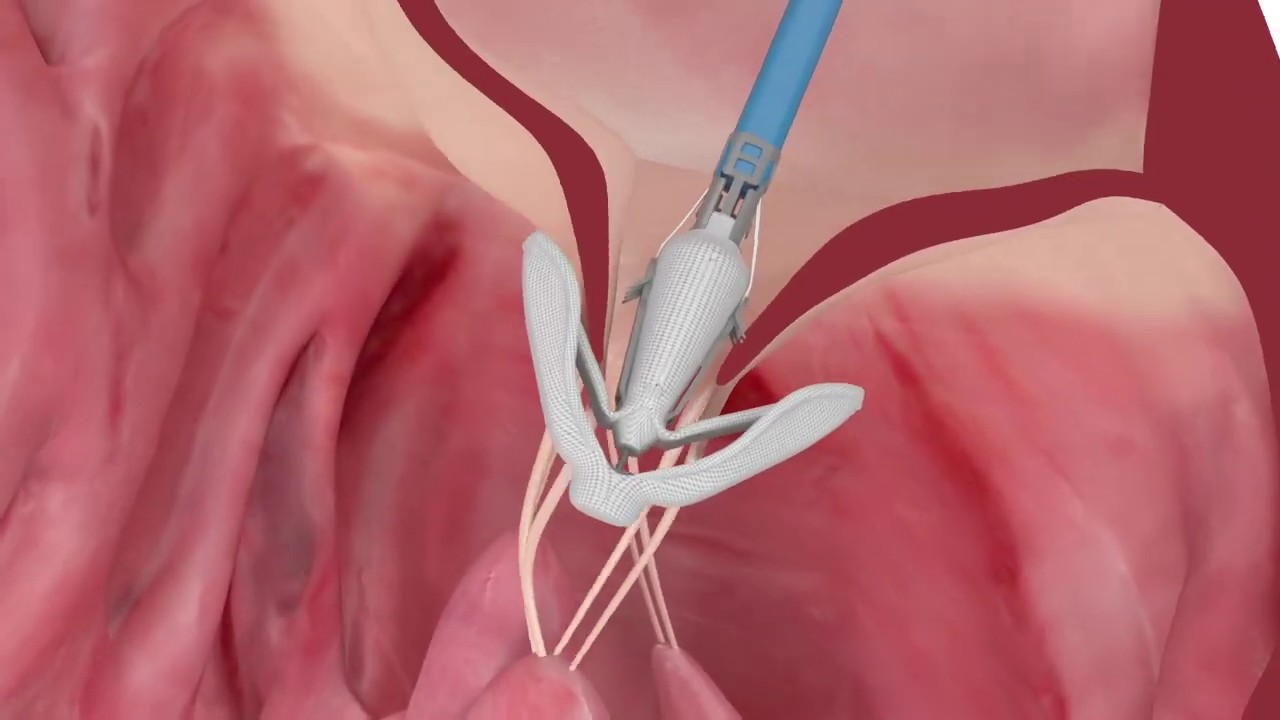
MitraClip Mitral Valve Repair

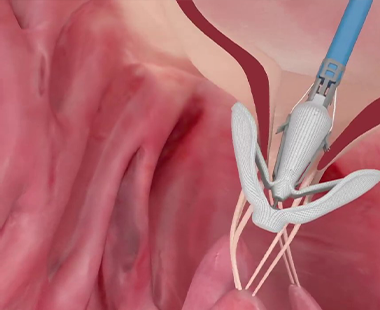
MitraClip is a minimally invasive procedure used to repair the mitral valve in the heart. It’s an alternative to open-heart surgery for patients with mitral regurgitation (MR), a condition where the mitral valve doesn’t close properly, causing blood to flow backward into the heart.

Watchman Left Atrial Appendage Closure

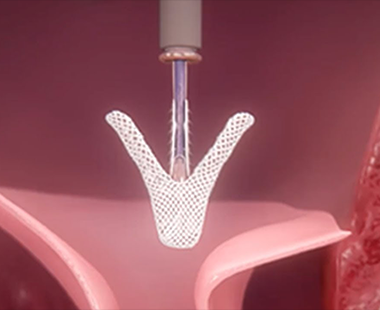
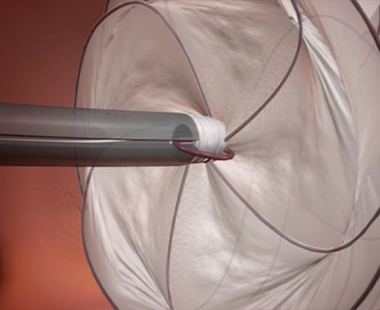
The Watchman device is used to close off the left atrial appendage (LAA), a small sac in the left atrium of the heart. This procedure is often recommended for patients with atrial fibrillation (AFib) to reduce the risk of stroke, especially for those who cannot take long-term anticoagulants.

Loop Recorder

A Loop Recorder procedure is a minor procedure where a small hear-monitoring device, called an implantable loop recorder (ILR), is placed just under the skin of the chest to continuously record the heart’s rhythm.

Complex High-Risk Interventional Cardiac Procedure (CHIP)

A complex high‑risk interventional cardiac procedure is a very specific category in modern cardiology. It’s used when a patient’s anatomy, physiology, or disease severity makes a standard intervention unsafe or insufficient, and the procedure requires advanced expertise, specialized equipment, and multidisciplinary planning.

Atrial Fibrillation Ablation (including expertise with pulsed field ablation technology)

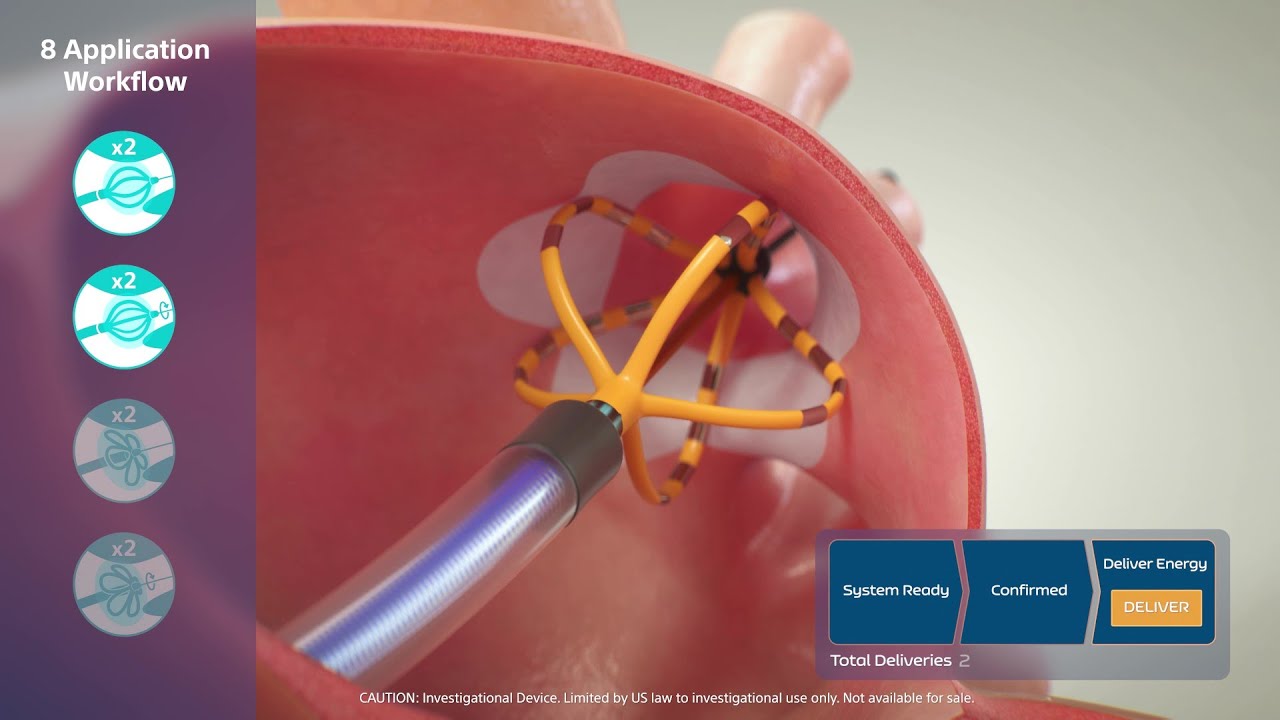
Atrial fibrillation ablation is a procedure that uses heat or cold energy to create small scars inside the heart, blocking the faulty electrical signals that trigger AFib. It’s typically done when medications don’t work well or cause side effects, but for some people it can be a first‑line option.

Supraventricular Tachycardia Ablation

SVT ablation is a catheter‑based procedure that uses heat or cold energy to destroy tiny areas of heart tissue responsible for triggering abnormally fast heart rhythms. It’s often highly effective and can be curative for many types of SVT.

Ventricular Arrhythmia Ablation (including ventricular tachycardia)

Ventricular arrhythmia ablation—most commonly ventricular tachycardia (VT) ablation—uses heat or cold energy to create tiny scars in the heart that block the abnormal electrical signals coming from the ventricles. These arrhythmias can be dangerous, so ablation is often part of a broader treatment plan that may include medications and implantable cardioverter‑defibrillators (ICDs).

Ventricular Arrhythmia Ablation (including ventricular tachycardia)

Ventricular arrhythmia ablation—most commonly ventricular tachycardia (VT) ablation—uses heat or cold energy to create tiny scars in the heart that block the abnormal electrical signals coming from the ventricles. These arrhythmias can be dangerous, so ablation is often part of a broader treatment plan that may include medications and implantable cardioverter‑defibrillators (ICDs).

MitraClip is a minimally invasive procedure used to repair the mitral valve in the heart. It’s an alternative to open-heart surgery for patients with mitral regurgitation (MR), a condition where the mitral valve doesn’t close properly, causing blood to flow backward into the heart.

The Watchman device is used to close off the left atrial appendage (LAA), a small sac in the left atrium of the heart. This procedure is often recommended for patients with atrial fibrillation (AFib) to reduce the risk of stroke, especially for those who cannot take long-term anticoagulants.

A Loop Recorder procedure is a minor procedure where a small hear-monitoring device, called an implantable loop recorder (ILR), is placed just under the skin of the chest to continuously record the heart’s rhythm.

A complex high‑risk interventional cardiac procedure is a very specific category in modern cardiology. It’s used when a patient’s anatomy, physiology, or disease severity makes a standard intervention unsafe or insufficient, and the procedure requires advanced expertise, specialized equipment, and multidisciplinary planning.

Atrial fibrillation ablation is a procedure that uses heat or cold energy to create small scars inside the heart, blocking the faulty electrical signals that trigger AFib. It’s typically done when medications don’t work well or cause side effects, but for some people it can be a first‑line option.

SVT ablation is a catheter‑based procedure that uses heat or cold energy to destroy tiny areas of heart tissue responsible for triggering abnormally fast heart rhythms. It’s often highly effective and can be curative for many types of SVT.

Ventricular arrhythmia ablation—most commonly ventricular tachycardia (VT) ablationuses heat or cold energy to create tiny scars in the heart that block the abnormal electrical signals coming from the ventricles. These arrhythmias can be dangerous, so ablation is often part of a broader treatment plan that may include medications and implantable cardioverter‑defibrillators (ICDs).

MitraClip is a minimally invasive procedure used to repair the mitral valve in the heart. It’s an alternative to open-heart surgery for patients with mitral regurgitation (MR), a condition where the mitral valve doesn’t close properly, causing blood to flow backward into the heart.

The Watchman device is used to close off the left atrial appendage (LAA), a small sac in the left atrium of the heart. This procedure is often recommended for patients with atrial fibrillation (AFib) to reduce the risk of stroke, especially for those who cannot take long-term anticoagulants.

A Loop Recorder procedure is a minor procedure where a small hear-monitoring device, called an implantable loop recorder (ILR), is placed just under the skin of the chest to continuously record the heart’s rhythm.

A complex high‑risk interventional cardiac procedure is a very specific category in modern cardiology. It’s used when a patient’s anatomy, physiology, or disease severity makes a standard intervention unsafe or insufficient, and the procedure requires advanced expertise, specialized equipment, and multidisciplinary planning.

Atrial fibrillation ablation is a procedure that uses heat or cold energy to create small scars inside the heart, blocking the faulty electrical signals that trigger AFib. It’s typically done when medications don’t work well or cause side effects, but for some people it can be a first‑line option.

SVT ablation is a catheter‑based procedure that uses heat or cold energy to destroy tiny areas of heart tissue responsible for triggering abnormally fast heart rhythms. It’s often highly effective and can be curative for many types of SVT.

Ventricular arrhythmia ablation—most commonly ventricular tachycardia (VT) ablationuses heat or cold energy to create tiny scars in the heart that block the abnormal electrical signals coming from the ventricles. These arrhythmias can be dangerous, so ablation is often part of a broader treatment plan that may include medications and implantable cardioverter‑defibrillators (ICDs).

MitraClip Mitral Valve Repair

Lorem ipsum dolor sit amet, consectetur adipiscing elit. Ut elit tellus, luctus nec ullamcorper mattis, pulvinar dapibus leo. Lorem ipsum dolor sit amet, consectetur adipiscing elit. Ut elit tellus, luctus nec ullamcorper mattis, pulvinar dapibus leo.

Cardiac Surgery Specialties

Play
Minimally-Invasive MitraClip™ Therapy
Play
GORE® CARDIOFORM Septal Occluder PFO Animation
Play
PASCAL repair system features – Implantation of the system
Play
Understanding the WATCHMAN™ Procedure
Play
FARAPULSE™ Pulsed Field Ablation System: Workflow Introduction
Video 1
Video 2
Video 3
Video 4
Video 5

MitraClip Mitral Valve Repair

Office-Based Services

  • Cardiology Consultation
  • EKG
  • Blood Pressure Checks
  • Coumadin / INR
  • Holter Monitoring and Event Recorders
  • Pacemaker Evaluations and Interrogations
  • Defibrillator Evaluations and Interrogations
  • Patient Education
  • Obesity
  • Weight Loss

Non-Invasive Cardiology

  • ICAEL Accredited Stress Testing
  • Pharmacologic Stress Testing
  • ICANL Accredited Nuclear Cardiology Testing
  • Vascular Ultrasound Testing
  • Echocardiography Testing
  • Peripheral Arterial Physiologic Testing
  • Echo Guided Pacemaker Optimization

Hospital-Based Services

  • Cardiac Catheterization
  • Balloon Angioplasty
  • Coronary Stents
  • Fractional Flow Reserve
  • Coronary Rotational Ablation
  • Transcatheter Aortic Valve Replacement (TAVR)
  • Peripheral Arterial Intervention
  • Transesophageal Echocardiogram

Electrophysiology Services

  • Electrophysiology Testing
  • Cardiac Ablations
  • Pacemaker and ICD Implants
  • Loop Recorders
  • Tilt Table Testing
  • Cardioversion

Our top cardiologists practice at the following hospitals:

  • Chilton Memorial Hospital in Pequannock, New Jersey
  • Christ Hospital in Jersey City, New Jersey
  • Englewood Hospital 350 Engle St. Englewood, NJ 07631
  • Hudson Regional Hospital in Secaucus, New Jersey
  • Jersey City Medical Center / RWJBarnabas Health, Jersey City, New Jersey
  • Morristown Medical Center in Morristown, NJ

Through accreditations for both ICAEL and ICANL, Total Cardiology Care demonstrates its commitment to the performance of quality Echocardiography and Nuclear Studies and persistently strives to meet nationally recognized standards.

Services